In today’s top headlines regarding US Canada Trade, significant developments have emerged affecting readers and communities across the United States.
Table of Contents
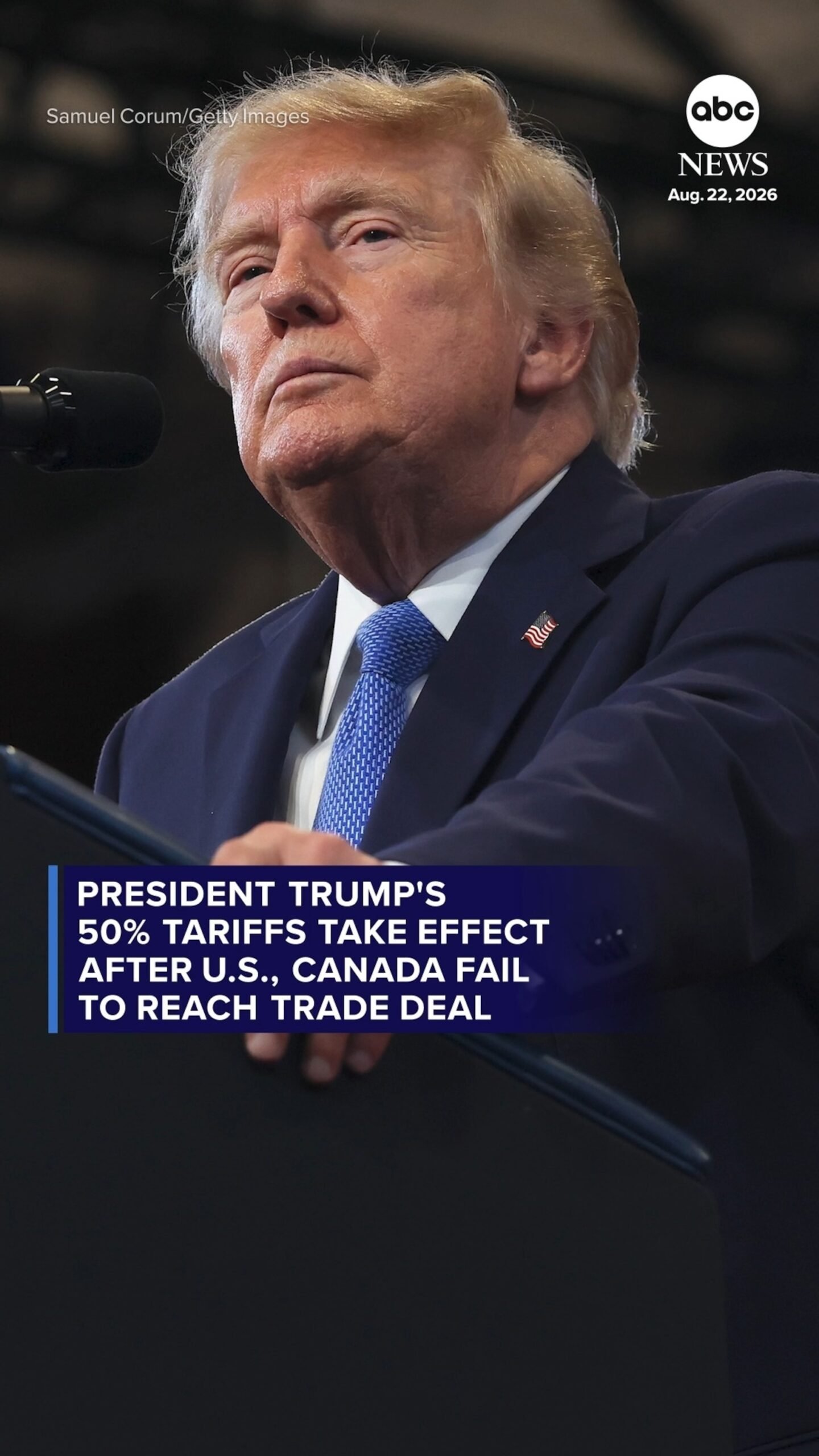
The long-standing trade tensions between the United States and Canada have significantly deepened, with new tariffs imposed by the U.S. and immediate retaliatory measures announced by Canada. This latest escalation further strains a once-close economic and political alliance, impacting various sectors and raising concerns for consumers and businesses in both nations. The move signals a renewed period of economic friction between two of the world’s largest trading partners.
Canada has declared it will strike back with its own tariffs starting September 8th, hours after the U.S. imposed new duties, according to NPR. This tit-for-tat approach highlights the ongoing challenges in resolving trade disputes between the neighboring countries.
Quick Facts
- Latest Development: The U.S. has imposed new tariffs on certain Canadian goods.
- Canada’s Response: Canada announced it will implement retaliatory tariffs starting September 8th.
- Key Impact: Further ruptures the historically durable trade alliance between the two nations.
- Historical Context: The current dispute is a continuation of trade frictions that intensified during the Trump administration.
- Affected Areas: Businesses, consumers, and overall diplomatic relations face increased strain.
Table of Contents
- What Sparked the Latest Escalation?
- Why This Trade War Matters
- Who Is Affected by the Tariffs?
- A Brief Timeline of US-Canada Trade Tensions
- What to Watch Next
- FAQ
What Sparked the Latest Escalation?
The recent imposition of new tariffs by the United States on specific Canadian imports has ignited the latest round of trade hostilities. In response, Canada quickly announced plans for its own counter-tariffs, set to go into effect on September 8th. This rapid exchange underscores the volatile nature of the economic relationship, despite decades of close partnership. The Associated Press noted that the U.S. and Canada are falling deeper into a trade war with new tariffs as talks collapse and blame is spread. APNews.com provides the latest headlines on these developments.
Why This Trade War Matters
The deepening trade war is significant because it further ruptures a once-close and durable alliance between the U.S. and Canada. While trade disagreements are not new, the current escalation could have substantial economic and political ramifications. For instance, the Pentagon recently dismissed Stars and Stripes leadership after they opposed military interference, highlighting broader political tensions that could be exacerbated by trade disputes (AP News). Such economic friction can lead to instability, affecting various industries and potentially influencing other areas of bilateral cooperation. This ongoing situation is a critical part of US news updates for readers seeking to understand global developments affecting the nation.
Who Is Affected by the Tariffs?
The impact of these escalating tariffs will be felt across various segments of both the U.S. and Canadian economies:
- Businesses: Companies engaged in cross-border trade, particularly those dealing in goods targeted by the tariffs, will face increased costs, reduced profit margins, and potential supply chain disruptions. This includes manufacturers, distributors, and retailers on both sides of the border.
- Consumers: Higher import duties often translate to increased prices for goods on store shelves, as businesses pass on the added costs. This could affect everyday purchases and reduce consumer purchasing power in both countries.
- Workers: Industries heavily impacted by the tariffs could see job losses or reduced hiring as companies adjust to new economic realities and potential market contraction.
- Political Relations: Beyond economics, the trade dispute strains diplomatic relations, potentially hindering cooperation on critical issues ranging from environmental policy to national security.
A Brief Timeline of US-Canada Trade Tensions
The current trade war between the U.S. and Canada has a history spanning several years. The Trump administration initially imposed tariffs on steel and aluminum imports from Canada, citing national security concerns. Canada responded in kind with its own tariffs on various U.S. products. This cycle of imposition and retaliation has characterized much of the trade relationship, creating uncertainty for businesses. Despite ongoing discussions, as reported by CBS News, the U.S. and Canada have wrangled for decades over trade, yet somehow managed to remain friends and allies. However, recent developments indicate a more severe rupture. This ongoing saga remains a significant element of trending news in the US.
What to Watch Next
The immediate focus will be on September 8th, the date when Canada’s retaliatory tariffs are scheduled to take effect. Beyond this, several factors will determine the future trajectory of the US-Canada trade war:
- Further Negotiations: Will diplomatic efforts resume to de-escalate the situation, or will both sides dig in further?
- Economic Data: The economic impact on industries and consumer prices in both countries will be closely monitored. Significant negative effects could pressure governments to reconsider their stances.
- Political Statements: Public statements from leaders and trade representatives will offer clues about the willingness to compromise or to continue the trade dispute.
- Broader Trade Landscape: The U.S. is also dealing with other trade issues, such as a federal judge vacating a Trump policy on immigration visas from 75 countries (AP News), which could influence its overall trade strategy.
Understanding these developments is key for anyone following what’s happening in the US.
FAQ
What specific goods are affected by the new tariffs between the US and Canada?
While the research indicates new tariffs on “certain Canadian imports” by the U.S. and “counter-tariffs” by Canada, specific product categories for this latest round were not detailed in the provided snippets. Historically, steel and aluminum have been central to these trade disputes.
How will these escalating tariffs impact consumers in the U.S.?
Consumers in the U.S. could experience higher prices for goods imported from Canada, as businesses often pass on the increased costs resulting from tariffs. This can affect a wide range of products, depending on which sectors are targeted.
Is there a likelihood of a quick resolution to this trade dispute?
The announcement of retaliatory tariffs by Canada suggests a hardening of positions, making a swift resolution appear uncertain. While diplomatic channels remain open, the immediate future points towards continued economic friction rather than a quick de-escalation.
What is the historical context of trade disputes between the U.S. and Canada?
The U.S. and Canada have a long history of trade wrangling, with significant tensions arising during the Trump administration over tariffs on steel and aluminum. Despite these disputes, the two nations have generally maintained a strong alliance, though the current situation is testing that relationship.
Related Coverage & Authoritative Sources:
- Explore more trending updates in our US News Section.
- Read official press releases and live reporting from verified news sources.