In today’s top headlines regarding US Iran Agree, significant developments have emerged affecting readers and communities across the United States.
Table of Contents
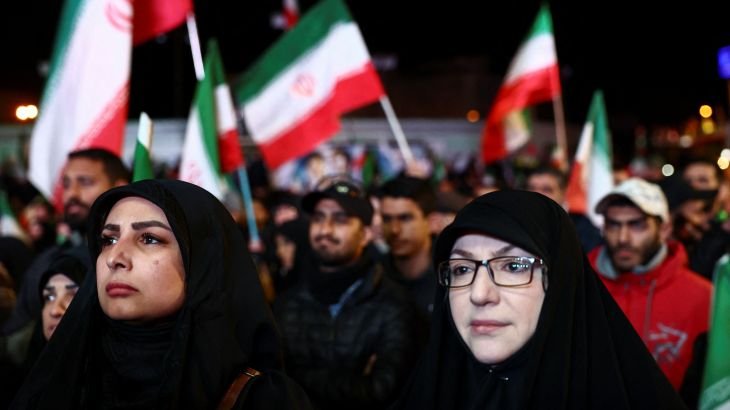
In a significant development that unfolded just an hour before a critical deadline, the United States and Iran have agreed to a two-week truce. This last-minute agreement, reached on Tuesday, temporarily suspends US attacks on Iran and facilitates the reopening of the strategic Strait of Hormuz, a key waterway for global oil shipments. The breakthrough follows intense diplomatic efforts, notably a request from Pakistan’s Prime Minister Shehbaz Sharif, who urged an extension to the US deadline for a deal.
However, the fragile calm was immediately challenged by renewed regional conflict. Hours after the truce was announced, Israel launched devastating attacks across Lebanon, including the capital Beirut, resulting in at least 254 fatalities. This complex interplay of diplomacy and conflict underscores the volatile nature of the Middle East, even as efforts are made to de-escalate the US-Iran standoff.
Quick Answer
The US and Iran agreed to a two-week truce just an hour before a US deadline, with Iran reopening the Strait of Hormuz. This diplomatic step was quickly followed by Israeli bombings in Lebanon, highlighting ongoing regional instability.
Table of Contents
- Key Developments in the US-Iran Truce
- Israel’s Strikes on Lebanon Following Truce Announcement
- The Proposed Ten-Point Peace Plan
- What This Means for US Policy and Regional Stability
- What to Watch Next
- FAQ
Key Developments in the US-Iran Truce
The most pressing breaking news updates confirm a temporary cessation of hostilities between the US and Iran. The agreement, facilitated through Pakistani mediation, saw the US suspend attacks, while Tehran committed to ensuring safe passage through the Strait of Hormuz for the duration of the two-week ceasefire. This move aims to prevent further escalation in a conflict that has seen heightened tensions.
Last-Minute Agreement Halts Escalation
The two-week truce was finalized on Tuesday, narrowly averting a US deadline for escalating the conflict. United States President Donald Trump agreed to halt attacks on the condition that Iran fully reopens the Strait of Hormuz. This diplomatic breakthrough was a direct response to Pakistan’s Prime Minister Shehbaz Sharif’s plea for an extension and a call for Iran to reopen the vital waterway. This US news updates signifies a critical pause, though the long-term prospects for peace remain uncertain.
Strait of Hormuz Reopened for Two Weeks
Under the terms of the ceasefire, Iran’s Minister of Foreign Affairs Abbas Araghchi confirmed that safe passage through the Strait of Hormuz will be coordinated with the country’s armed forces for the next two weeks. Iran and Oman will be permitted to charge transit fees on passing ships, with Iran intending to use this revenue for post-war reconstruction efforts. This temporary reopening is a key component of the US Iran truce update, impacting global shipping and energy markets.
Israel’s Strikes on Lebanon Following Truce Announcement
Despite the US-Iran truce, regional stability remains precarious. Just hours after the ceasefire was announced, Israel launched extensive bombing campaigns across Lebanon, including its capital, Beirut. These devastating attacks reportedly killed at least 254 people. This immediate escalation from another regional actor underscores the complex and interconnected nature of conflicts in the Middle East, even as major powers attempt de-escalation. The full implications of these strikes on the broader peace efforts are still unfolding.
The Proposed Ten-Point Peace Plan
Looking beyond the immediate truce, talks are scheduled to begin on Friday in Islamabad, mediated by Pakistan’s prime minister, to discuss a ten-point peace plan. Tehran’s proposal for a lasting resolution includes several key demands:
- Lifting sanctions against Iran.
- Creation of a war-loss fund.
- Potential withdrawal of US troops from the Gulf region.
- Recognition of Iran’s right to enrich uranium, provided it pledges not to develop nuclear weapons.
It remains unclear whether the US has agreed to any of these specific proposals, indicating that the path to a comprehensive and lasting peace is still fraught with significant challenges. This diplomatic initiative is a central element of what’s happening in the US and its foreign policy in the region.
What This Means for US Policy and Regional Stability
The recent US Iran truce update signals a tactical shift in US foreign policy, moving from a confrontational stance to a diplomatic pause, at least temporarily. President Trump’s decision to suspend escort missions in the Strait of Hormuz, as reported by The New York Times, indicates a willingness to explore non-military solutions. However, the simultaneous Israeli strikes on Lebanon highlight the inherent difficulties in achieving widespread regional calm. For trending news in the US, this situation represents a delicate balance between de-escalation with Iran and managing broader alliances and conflicts in the Middle East. The effectiveness of this truce hinges on the upcoming Islamabad talks and whether a more comprehensive agreement can be forged, or if the region will revert to heightened tensions.
What to Watch Next
The immediate focus will be on the scheduled talks in Islamabad this Friday. The success or failure of these negotiations to advance Tehran’s ten-point peace plan will be crucial in determining the longevity of the current truce. Observers will also closely monitor the situation in Lebanon and the broader implications of the Israeli strikes on regional dynamics. Furthermore, any statements from the White House or the Iranian Foreign Ministry regarding the terms of the ceasefire and future diplomatic steps will provide essential insights into the evolving situation. The New York Times noted on May 11, 2026, that a lasting truce remained elusive despite claims of a month-long ceasefire holding, suggesting the current two-week agreement is a fragile step in a complex, ongoing conflict.
FAQ
What are the main terms of the US-Iran truce?
The US-Iran truce is a two-week agreement where the US suspends attacks on Iran, and Iran agrees to reopen the Strait of Hormuz for safe passage. Talks for a broader peace plan are scheduled to follow.
Why is the Strait of Hormuz important?
The Strait of Hormuz is a critical chokepoint for global oil shipments, connecting the Persian Gulf to the open sea. Its closure or disruption can significantly impact international energy markets and prices.
What is the US stance on Iran’s uranium enrichment?
While Iran’s proposed peace plan includes recognition of its right to enrich uranium in exchange for a pledge not to build nuclear weapons, it is currently unclear whether the US has agreed to this specific proposal as part of the ongoing diplomatic efforts.
Related Coverage & Authoritative Sources:
- Explore more trending updates in our US News Section.
- Read official press releases and live reporting from verified news sources.